


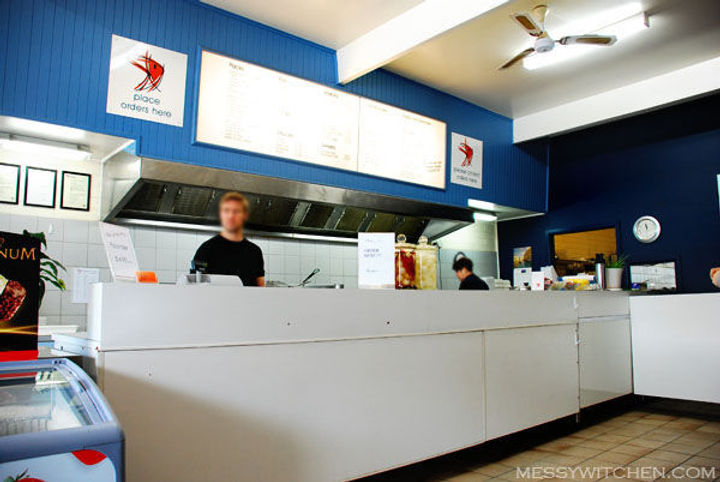
Heading into my studies I had already been casually employed at the Anglesea Fish and Chips shop since 2016. From nervous beginnings and being one of my first jobs, I landed on my feet and worked towards becoming highly proficient with store tasks, eventually rising to the position of assistant manager in 2018 having responsibilities that fell under the Fast-food Award level 2. I’ve always had a craving for leadership roles as I have a genuine interest in the improvement of others around me and working towards common goals. Being confident with store tasks, I felt I could provide valuable mentoring and guidance to others, and having witnessed how former managers led before me, I felt I was up to the task. This position was my first opportunity where I could better develop my leadership capabilities and because I enjoyed it, I stayed in this role up till my final year of studies. I was responsible for managing and training staff to ensure safe work practises, appropriate cooking and handling of food, pleasant customer interactions, and maintaining an efficient kitchen workflow environment built on teamwork.
MAINTAINING A POSITIVE ENVIRONMENT
Traditionally, Anglesea is a seasonal town with the school holidays bringing more trade, and summer being the significant period of business. Over these times, the demand for work is high, with long hours, hot weather, and short breaks. These periods of busy trade require resilience, adaptability, comradery, and an ability to keep a level head. The workspace is relatively small and can sometimes have up to 8 people operating within it at a time, as such, it made it more critical that there was good synergy amongst the crew. I’ve always enjoyed inclusivity and endeavour to cultivate an environment that is inviting of that. I think it’s because in my earlier years have felt left out, and knowing what that feels like, I want to avoid that outcome for others. To this end, I strived to make it a positive environment where we could catch up with people’s lives, share musical tastes, have some fun banters, and enjoy our time at the shop whilst still working at a high level. This required continuous efforts from me to make sure everyone felt welcomed, respected, heard, and included, and encouraging the same from them. It was important to set the standards of the shop, maintain it, and address when individuals fell out of line, in a respectful manner. Conflict management was a part of my role, and I found that addressing any issues early was better to minimise chances for it to fester into a toxic environment. Ultimately, people aren’t always going to get along all the time, but it’s about finding a way forward where both sides feel heard, and the reasoning behind the decision has been explained. With this approach, people were generally able to move past it. This applied to disgruntled customers as well, however, if they escalated to unreasonable behaviour towards staff members, I would be quick to step in, protect, and redirect the customer towards a reasonable outcome. If this failed, politely asking them to leave. Moments like these were when I got to show my integrity for standing up for the team, common decency for hospitality workers, and upholding the business to a high standard.
Working long hours and frequently through the weeks, it’s impossible to not develop synergy within the team. Many times, there would be moments of unspoken teamwork where someone would just see that another person needed a stock refill, or some kind of assistance, and help that person out when and where they could. I think this was a great reflection of the teamwork environment that we were able to cultivate. When people went above and beyond their duties or had moments of looking out for each other, during the debrief at the end of the shift, I would make extra efforts to genuinely praise in front of the group people’s contributions and hard work. I believe that this sort of acknowledgement of effort is what helped further maintain the positive and teamwork driven workspace environment and made delegating tasks easier.
DYNAMIC KITCHEN FLOW & NEEDS
The kitchen environment is dynamic, with it periodically fluctuating between more and less intense periods of trade. There are essentially 8 different ‘stations’ where people would be designated during high volume periods of the night, these were: taking orders, dipping, friers, wrapping, grill cook, grill wrap, phone orders, and a floater for stock top up and cleanup. These stations would vary in intensity depending on the volume load, number of staff available, and the experience level of the staff member. The time pressure was the main driver for keeping to a fast pace and as such, someone who was less experienced might become overwhelmed and unable to keep up. In these moments it would be necessary to switch them out with a more experienced individual. Factoring in this element, when it came to designating people to stations for the night, it was important to consider their level of confidence and exposure to the faster paces, as well as their general strengths and weaknesses. There was never any judgement in people’s different comforts and competencies as it was usually a result of infrequent working schedules and lack of experience at particular stations. As such, I’d never force people into roles they weren’t up for unless they had proper support to do it i.e an experienced member to guide them through.
Given the number of different jobs, it can quickly descend into chaotic moments when stock is running low, there’s been an issue with a transaction, the steamer needs more water, we are behind schedule, we are out of rolls, someone is feeling unwell, the till needs more money, there’s a disgruntled customer etc. From how I’ve seen others before me react to these situations and myself in it, I’ve discovered that I possess a unique skill to remain composed when confronted with high pressure environments like these. I remain solution focused and handling one problem at a time. Neil has often praised me for this and being relieved that I am someone that he can rely on. Due to this, he felt comfortable leaving the store in my capable hands even during busy summer days. I believe remaining composed contained the chaos and kept the morale up in the shop for people to persevere with their jobs.
Being a leader of the team, I was especially conscious of avoiding tunnel visioning with my own station and getting distracted by the rampant pace. Instead, I felt I had to keep an eye and ear out for how everyone else was handling service hours. Having the perceptibility to look out for others allowed for better control of the workflow and to react to things that happened. I think a key to our success was having a genuine interest in others and the emotional intelligence to initiate regular communication, periodically check in with everyone, and adapt peoples roles and positions as needed.
TRAINING STAFF
One of my other responsibilities has been training new staff with safe work practises, appropriate cooking and handling of food, and pleasant customer interactions. I have always been enthusiastic about this role and enjoy seeing others like Laila, gain new skills, grow, and feel more empowered to take on more responsibilities around the store. It’s great seeing how they become more confident and relaxed in the workspace, and there has been many times where Neil has praised me for my patience and ability to make others feel welcomed and become thoroughly trained.
--
I have undergone a lot of development since my time at the store, and I owe it to the diverse team that I’ve been able to work alongside. My time at the shop highlighted the impact of my leadership and created an awareness in others of my potential moving forward. My ability to connect with others, emotional intelligence, integrity, composure and confidence are skills that I have developed throughout my time and they have allowed me to lead the team effectively and manage the store to a high standard.
“Leadership is unlocking people’s potential to become better.” - Bill Bradley
